
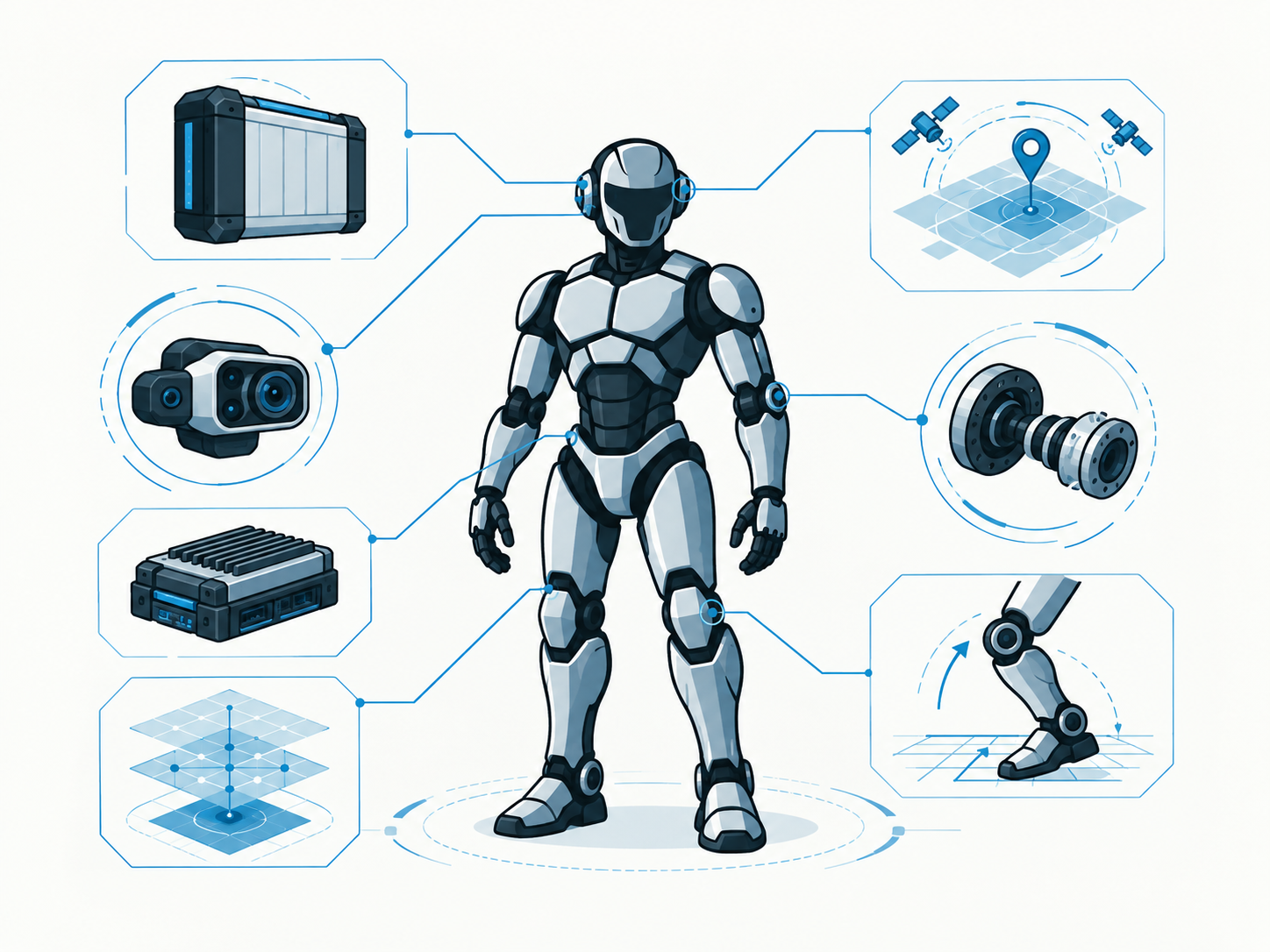
Integrated View
Technology areas are developed as an integrated system.
VAS links physical systems, software, data, controls, verification, and lifecycle evidence instead of treating them as disconnected domains.
Research & Technologies
VAS uses phased research and prototyping to retire risk before scaling. Work is structured around architecture, measurable assumptions, verification evidence, and disciplined technical decision making.
Integrated View
VAS links physical systems, software, data, controls, verification, and lifecycle evidence instead of treating them as disconnected domains.
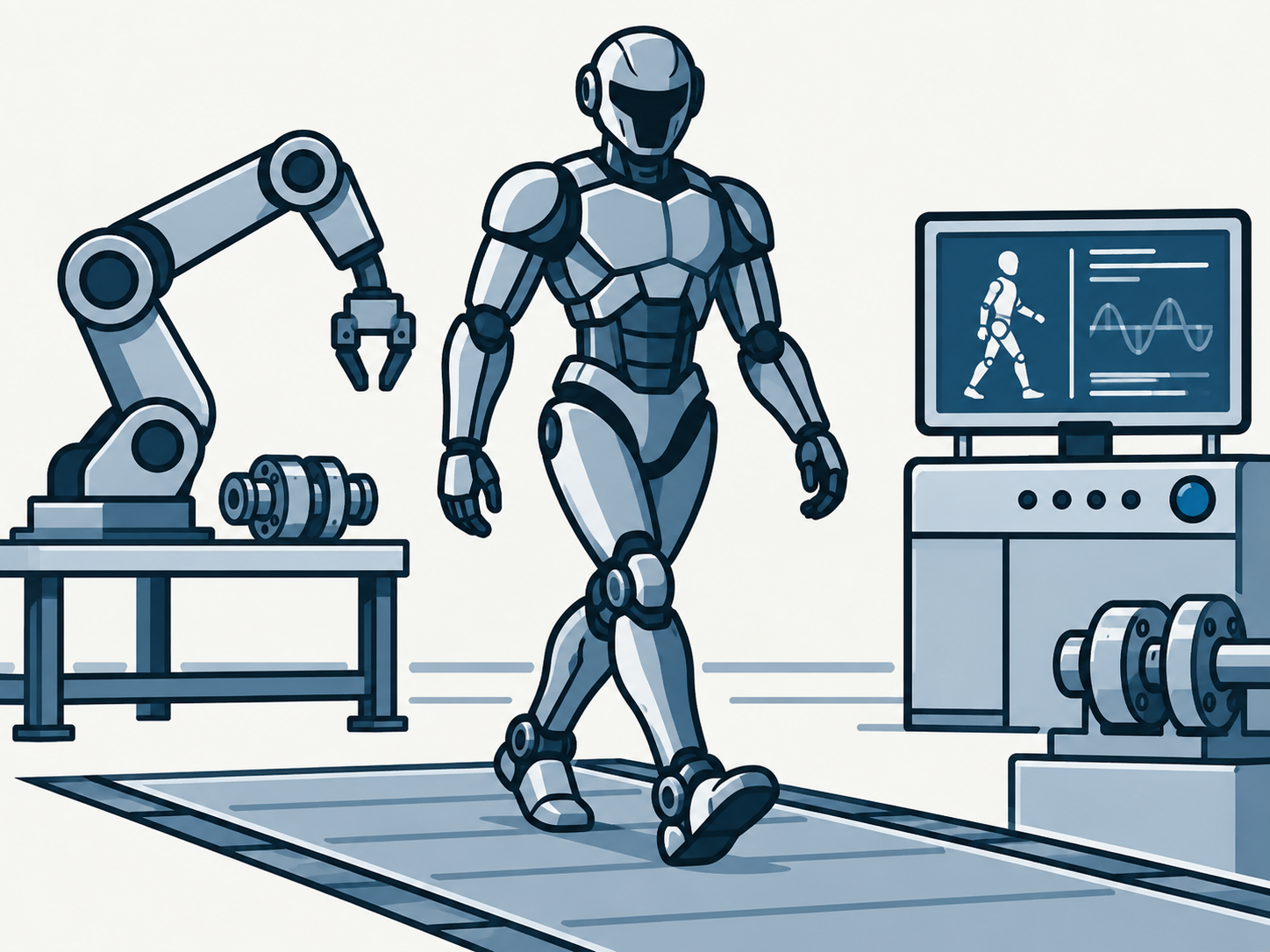
Robotics
Public facing visual summary of gait, joints, actuation, and robotic testing.
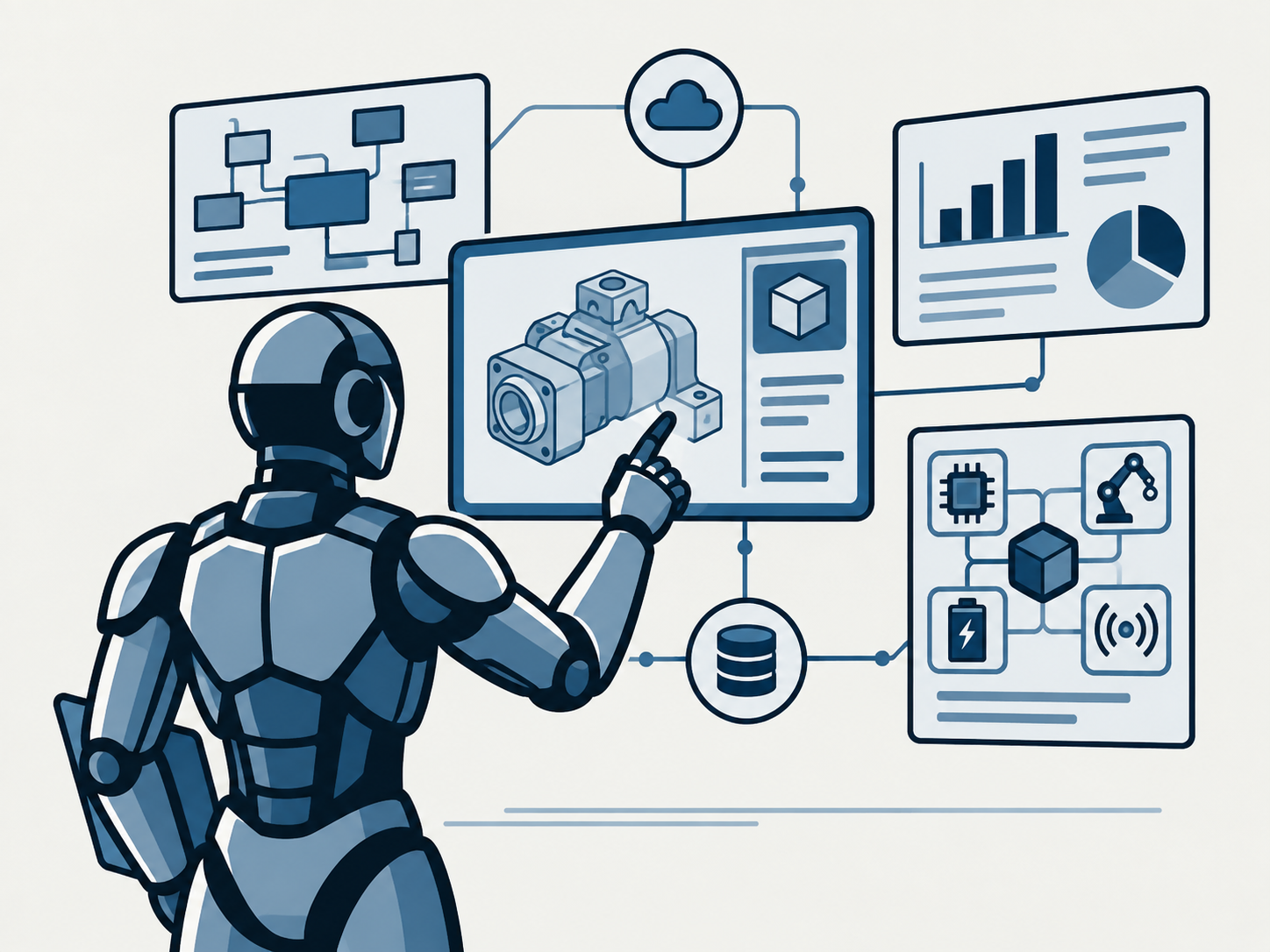
Digital Engineering
Human reviewed, evidence aware engineering acceleration supported by digital models and connected data.
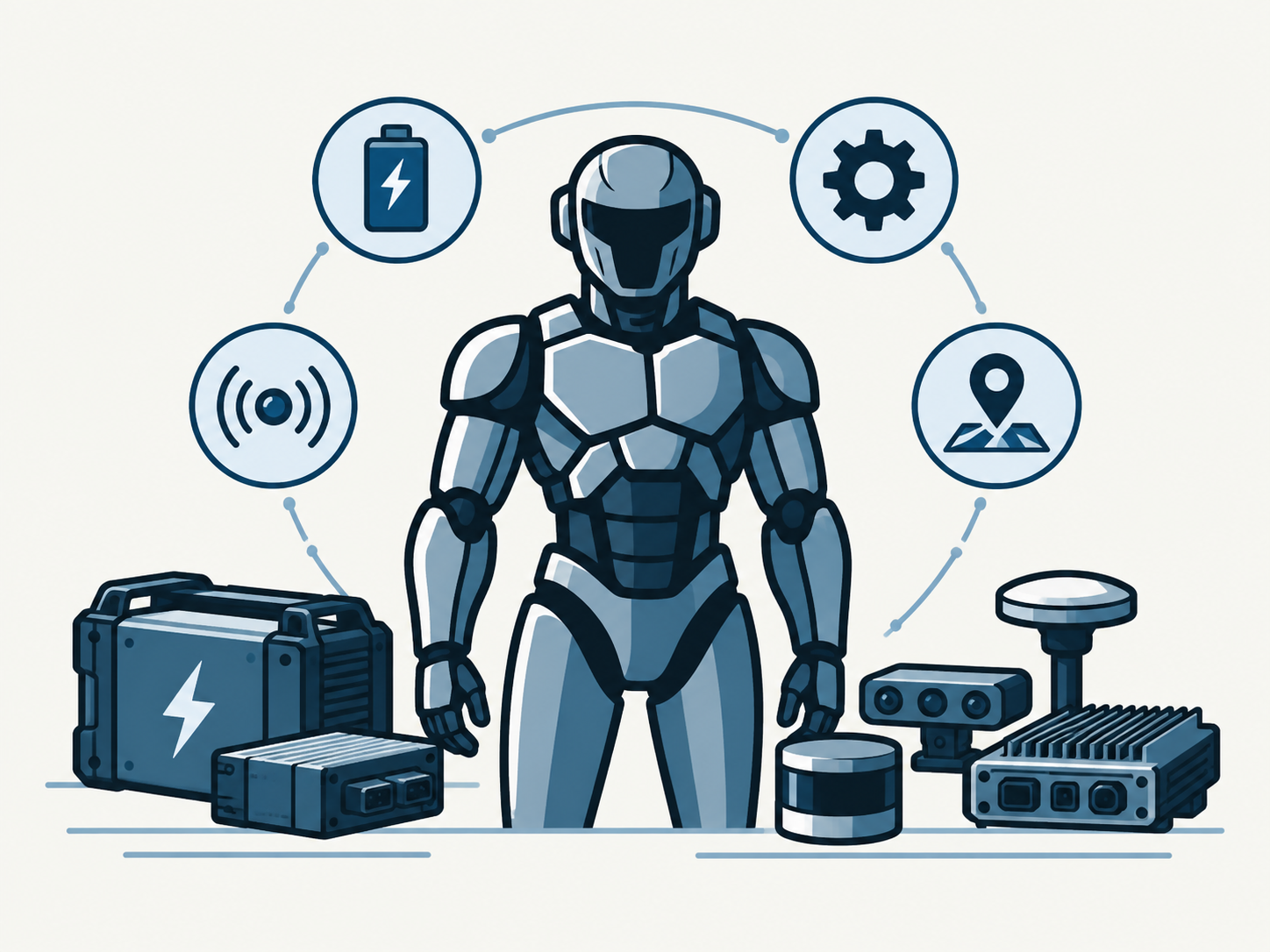
Energy + Sensing
Battery systems, navigation, environmental sensing, and closed loop control in a common research picture.
Robotics R&D
Research integrates mechanics, power, sensing, control, gait, navigation, autonomy, and verification rather than treating them as independent subsystems.
Joint architecture, structural interfaces, modularity, packaging, actuator loading, and repeatable mechanical interfaces that support testability and iteration.
Balance, gait sequencing, actuator coordination, embedded control, feedback loops, and the relationship between mechanical design and stable locomotion.
Inertial and environmental sensing, state estimation, localization, navigation, and the integration of sensing with actuator authority and control logic.
Battery systems, supercapacitors, hybrid power concepts, hydrogen energy concepts, voltage distribution, runtime, peak loads, thermal behavior, and system integration.
Distributed compute, sensor interfaces, control electronics, timing, telemetry, system health, and integration of physical and software architectures.
Modeling, instrumentation, prototype measurement, test automation, configuration control, and evidence based iteration across the integrated demonstrator.
AI Assisted Engineering
VAS research emphasizes structured evidence, traceability, controlled data boundaries, and human reviewed technical outputs.
Agentic workflows that assist technical assessment, structured research, issue analysis, evidence gathering, and engineering decision support.
AI generated work remains bounded by review, explicit assumptions, verification criteria, and accountable technical authority.
Architectures that separate public or open development scaffolds from proprietary or otherwise controlled engineering information.
Digital Engineering
VAS applies Model Based Systems Engineering and data centric engineering approaches to reduce fragmentation and improve technical decision quality.
Architecture, requirements, interfaces, behavior, analysis, and verification expressed through disciplined model based methods.
Traceable connections across engineering information, lifecycle decisions, configuration baselines, and verification evidence.
Knowledge graphs, ontologies, structured data, and semantic relationships that improve interoperability without creating brittle point to point interfaces.
Digital Twins
VAS views a digital twin as a data connected representation used to improve understanding, analysis, verification, decision support, and lifecycle feedback.
Connect design intent, architecture, configuration, models, and engineering evidence to create an authoritative representation of the designed system.
Extend configuration awareness as physical systems are manufactured, tested, modified, and sustained over time.
Use measured system data and operational evidence to support analysis, health understanding, verification, and future design decisions.
Additional Focus Areas